01
Immediately After Restoration
- Follow the curing instructions provided after the restoration.
- Avoid using the shower until the advised waiting period has passed.
- Keep the bathroom adequately ventilated.
Shower Restoration Services
When shower floor grout, lower wall joints and perimeter silicone begin to deteriorate together, repairing one isolated section may not be enough. STEGZ restores suitable existing shower bases through coordinated regrouting, resealing and detailed finishing without unnecessary tile removal.
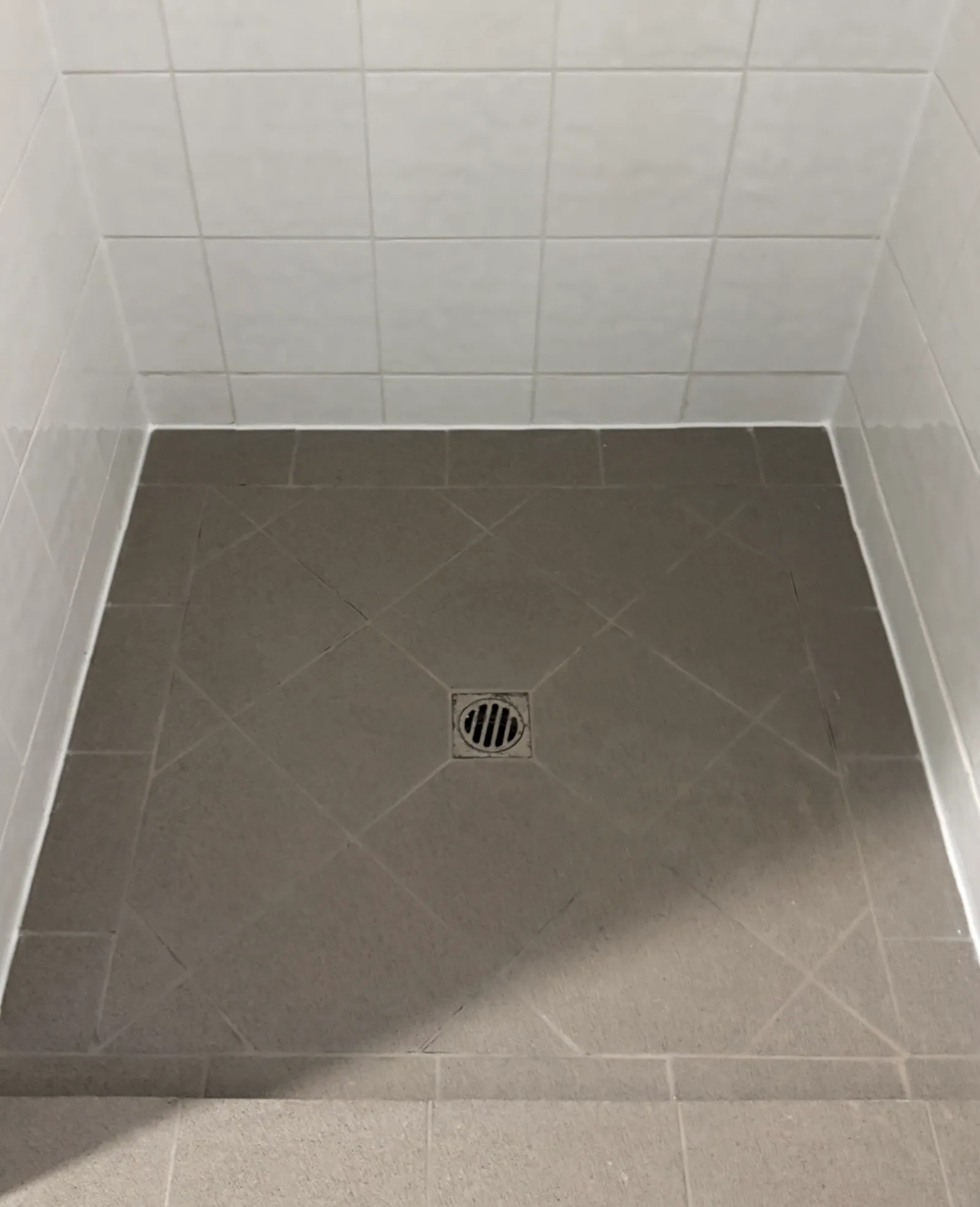
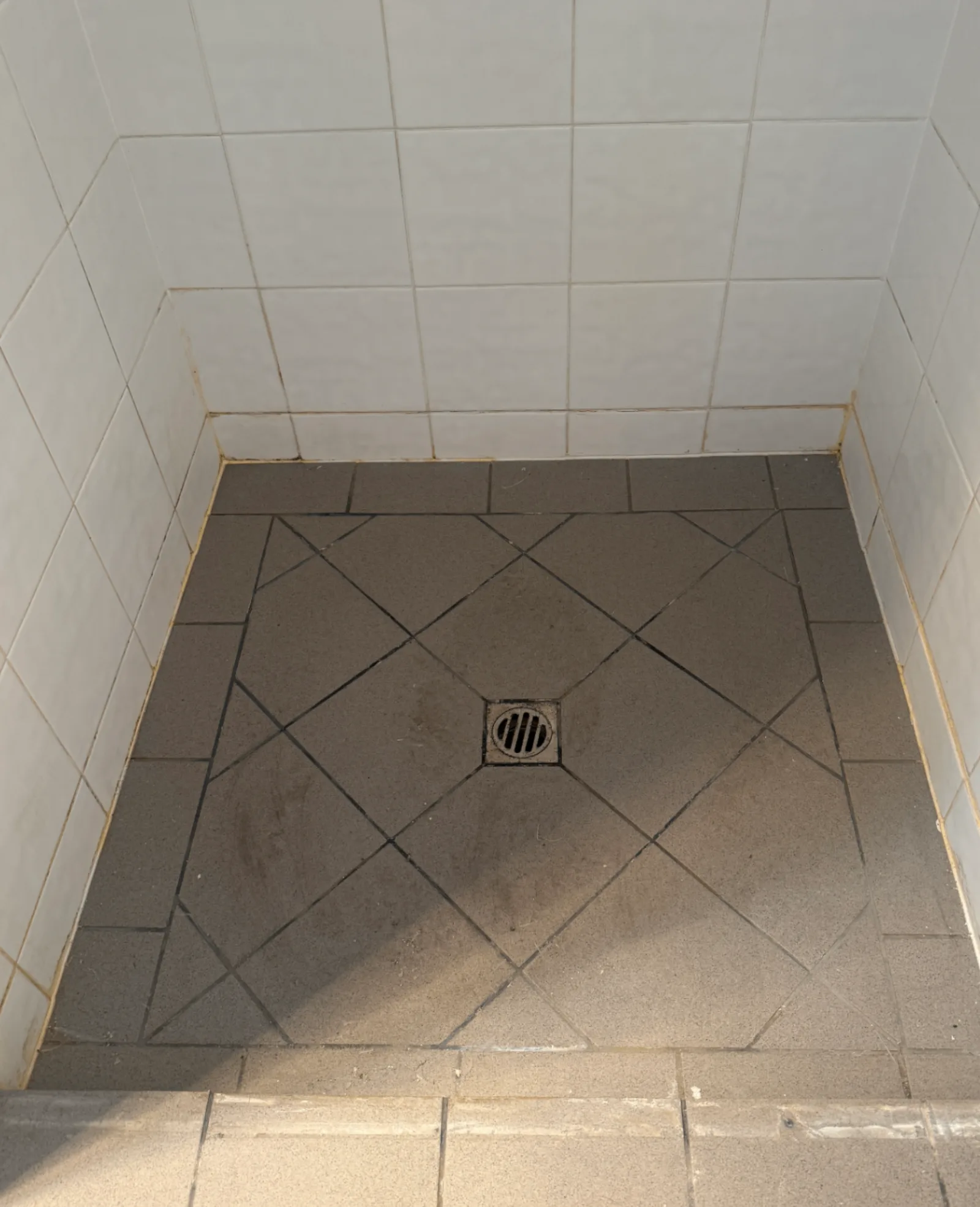
The lower shower area
The shower base is exposed to flowing water, moisture, soap residue, cleaning products and daily foot traffic. Over time, grout can crack, stain or fall away while silicone around the perimeter can split, discolour or lose adhesion.
Because the floor, lower wall joints and perimeter seals work alongside one another, deterioration may appear across several parts of the base at the same time.
Where the tiles and underlying surfaces remain suitable, restoring these areas together can produce a more complete and consistent result than repeatedly patching individual sections.
Water outside the shower can have several possible causes. Visible grout or silicone deterioration may be contributing, but plumbing, screen, waterproofing or construction issues may also require investigation.
Cracked or missing grout between shower floor tiles.
Grout becoming powdery or breaking away.
Dark staining that remains after normal cleaning.
Silicone pulling away from the base perimeter.
Visible gaps around lower shower junctions.
Mould repeatedly returning around deteriorated joints.
Uneven or mismatched previous repairs.
Deterioration extending into the first row of wall tiles.
Water appearing near visibly failed lower joints.
A shower floor that still looks tired despite regular cleaning.
Combined restoration
The exact work varies according to the shower. The proposed scope is based on the visible deterioration and the condition of the existing tiled area.
A shower base restoration may combine selected grout work, lower wall treatment where required, silicone removal, preparation, perimeter resealing, final inspection and job-specific curing instructions.
For deeper detail, see shower regrouting and shower silicone replacement.
Selected floor and lower wall tile joints may be mechanically cleared, prepared and regrouted where the existing tiled area remains suitable.
Relevant base perimeter and lower junction seals may be stripped, cleaned, sanitised and resealed with fresh sanitary silicone.
The treated joints are finished by hand, inspected and supported with job-specific curing and care instructions.
Lower wall joints
In some showers, deterioration extends from the floor grout into the first row of wall tiles and lower corner joints. Where these areas form part of the same visible problem, STEGZ may include them within the restoration scope to create a cleaner and more consistent result.
The Mitcham project involved regrouting the shower base and first row of wall tiles before the perimeter was professionally resealed.
The exact work is assessed individually. A shower base restoration does not automatically require every lower wall joint to be removed or replaced.
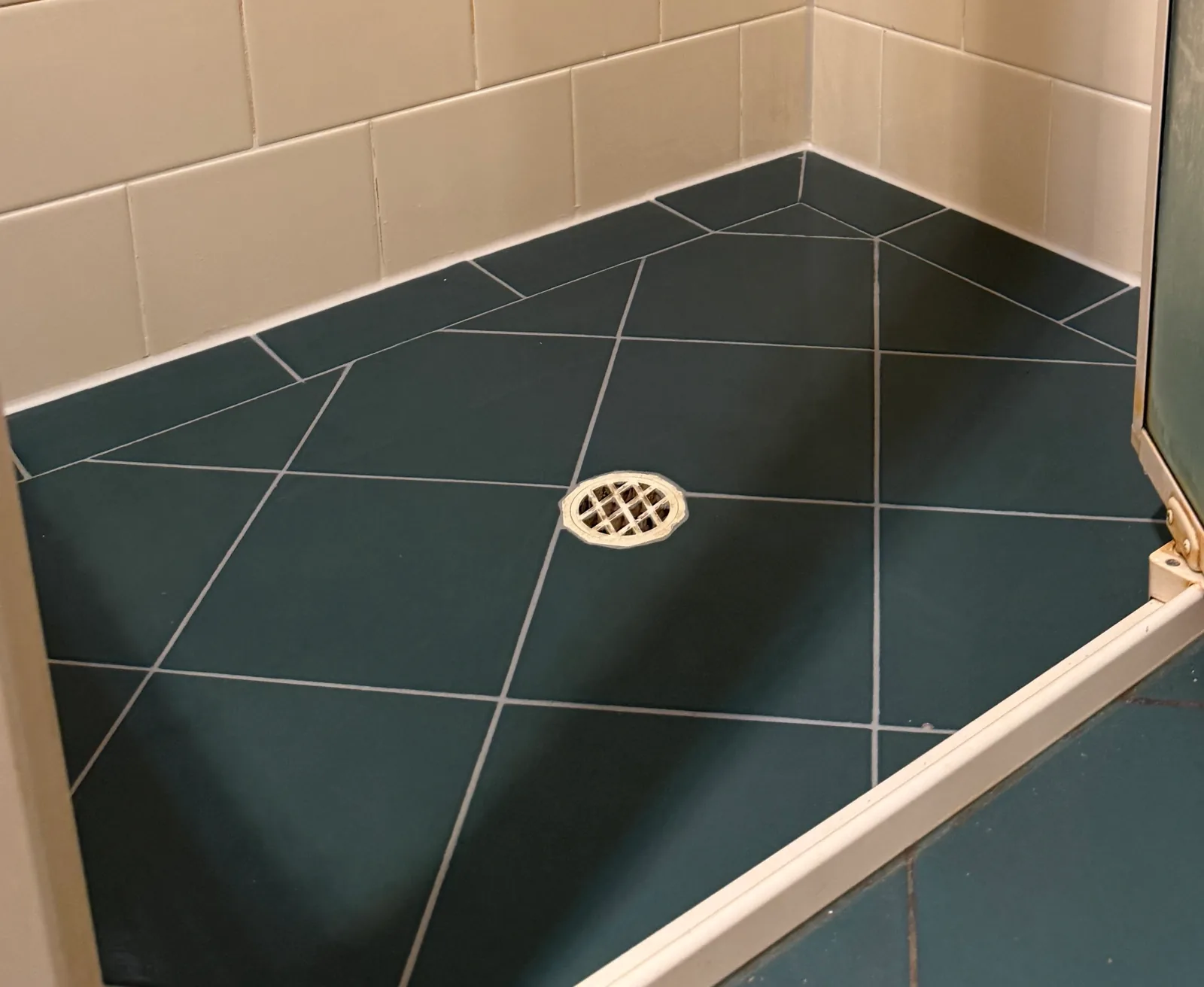
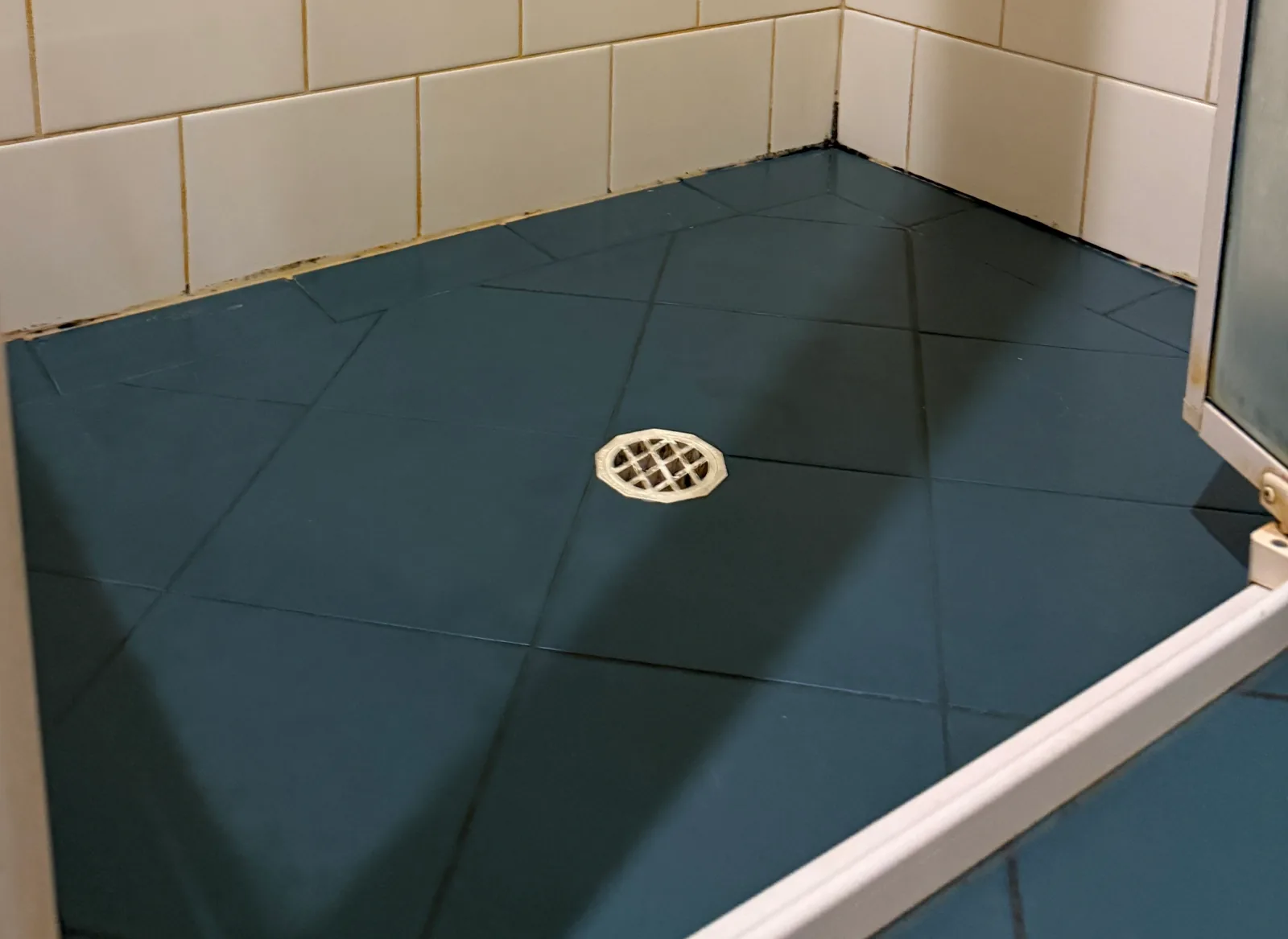
Our process
Inspect the shower floor, lower wall joints, corners and perimeter seals.
Identify the visible deterioration and confirm the agreed restoration scope.
Mechanically remove failed grout from the selected joints.
Remove deteriorated silicone from the relevant shower base perimeter.
Clean, sanitise and prepare the exposed tile edges and junction surfaces.
Apply the selected standard or epoxy grout to the treated tile joints.
Apply and hand-finish fresh sanitary silicone around the required perimeter seals.
Inspect the completed restoration and provide job-specific curing and care instructions.
Suitability
STEGZ focuses on restoration work that is appropriate for the existing condition and does not present surface repairs as a solution to every underlying problem.
Recent projects
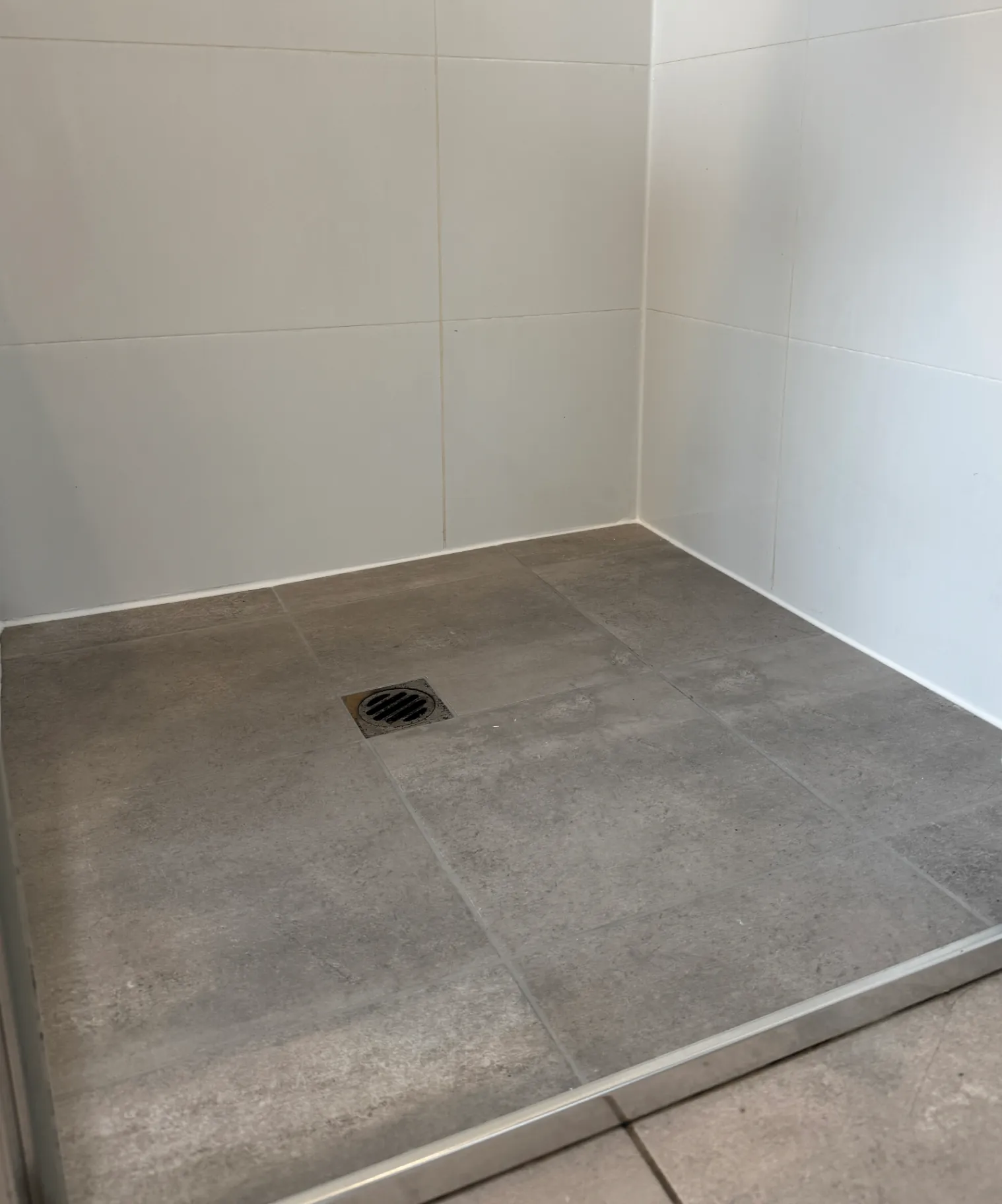
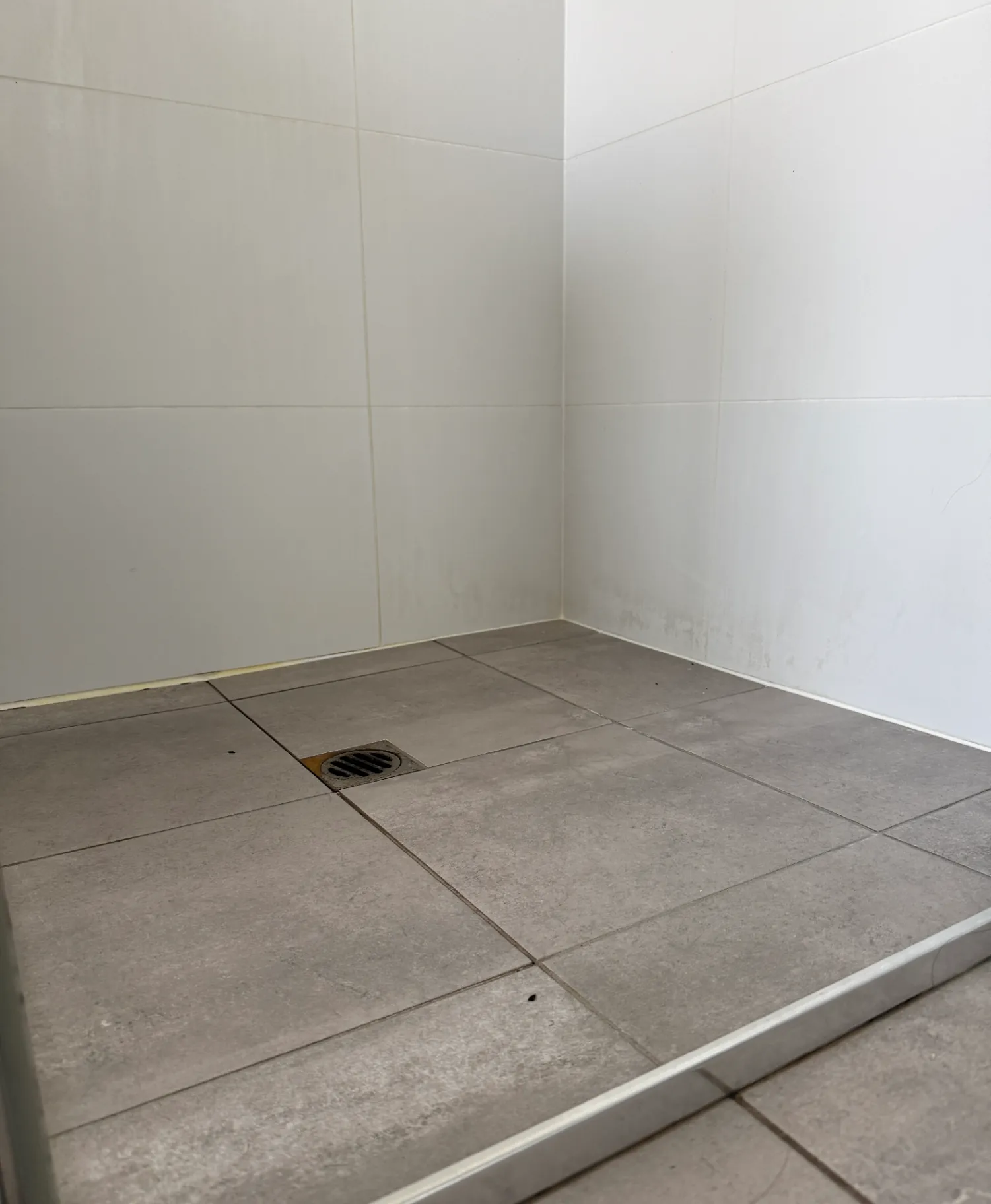
Lower shower grout and failing base silicone were renewed for cleaner joints around the existing shower base.
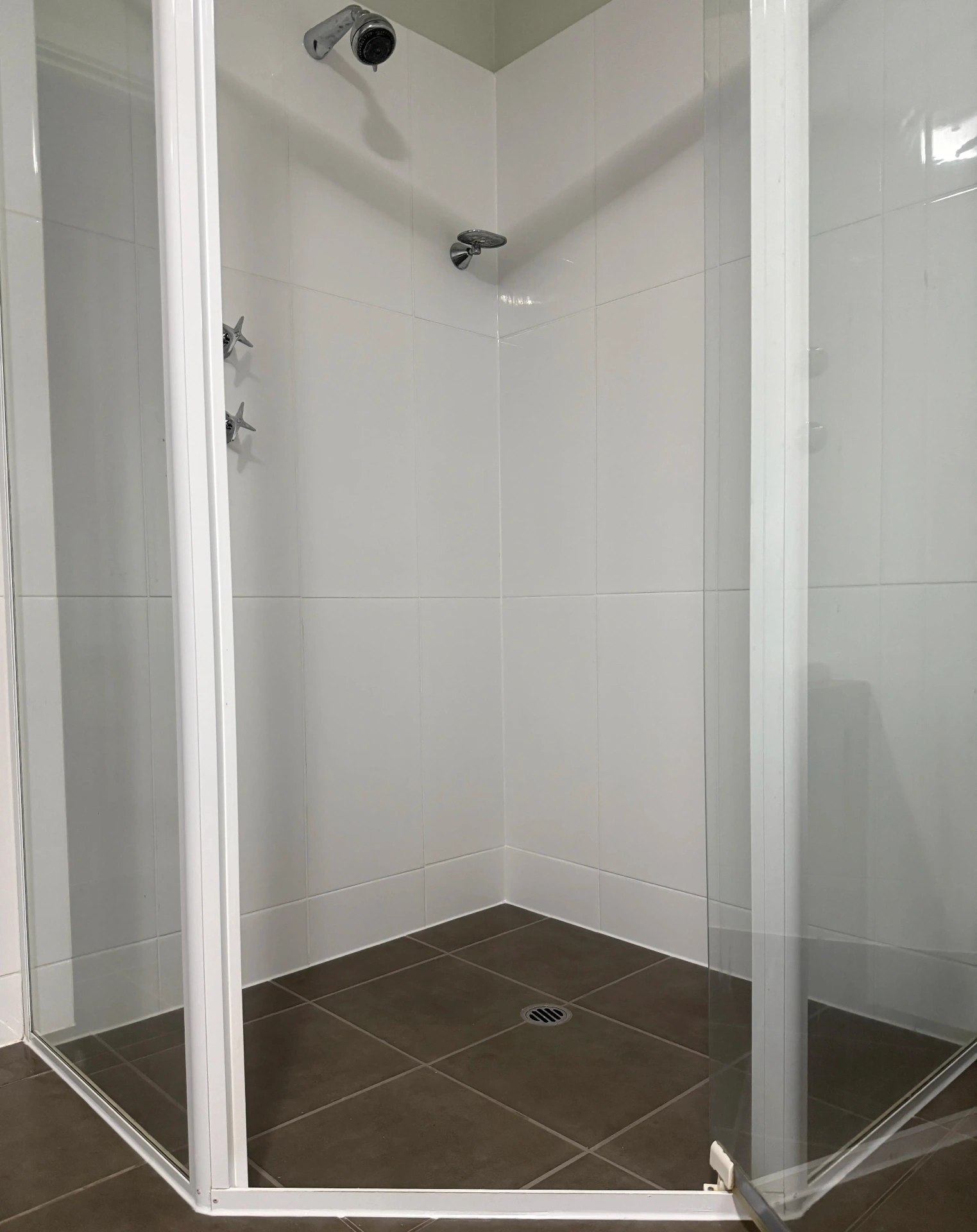
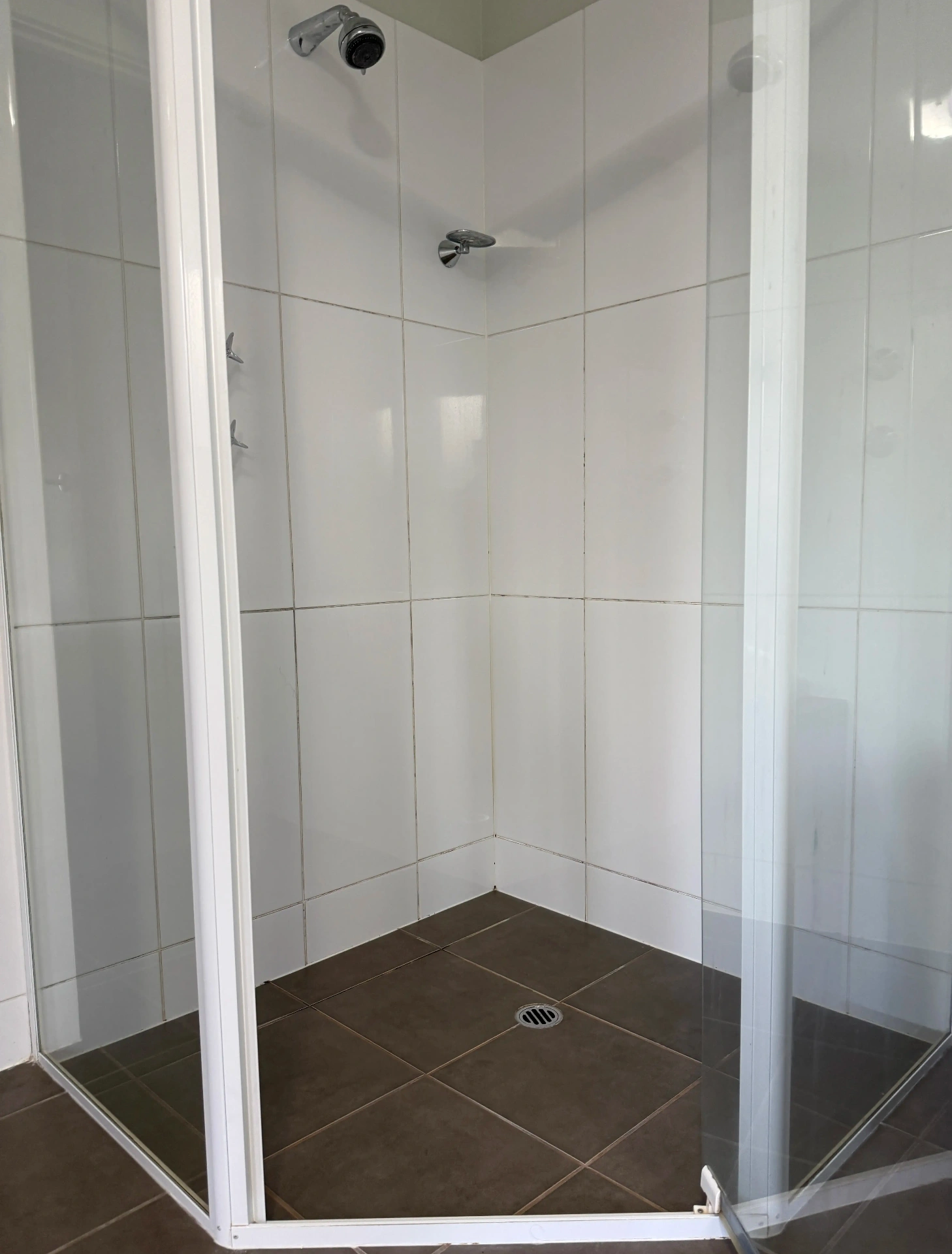
Worn grout and silicone were refreshed together to improve the lower shower finish.
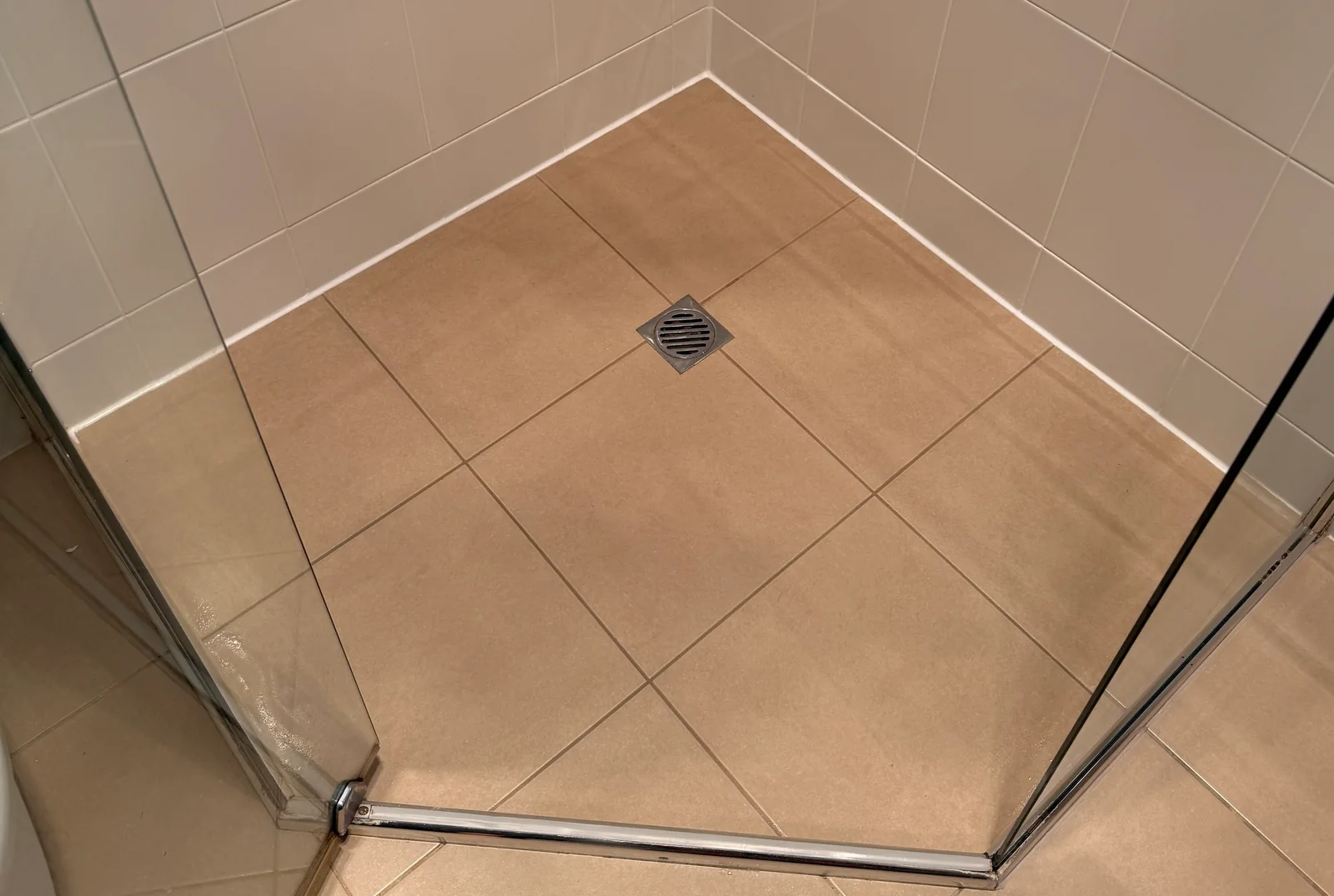
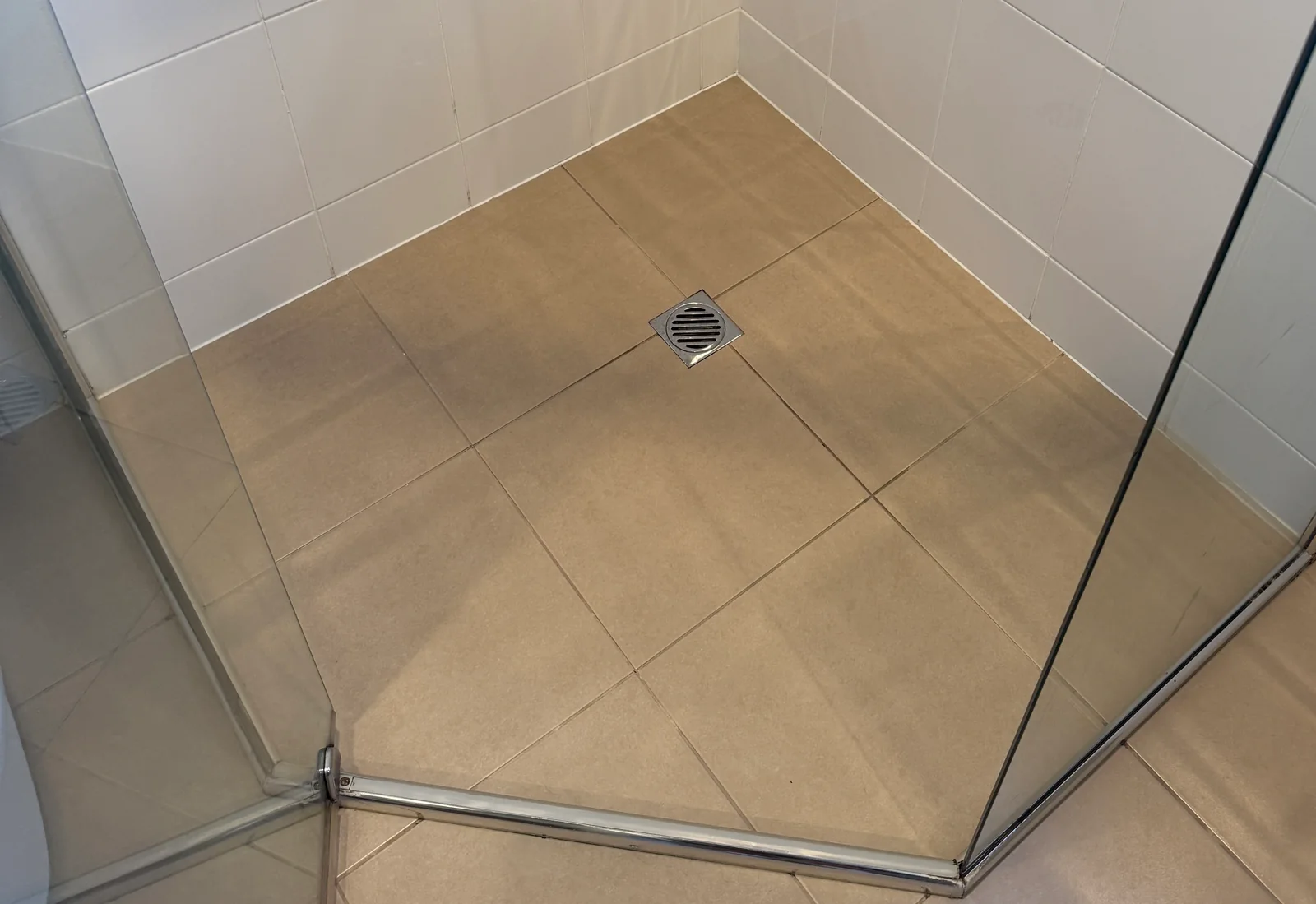
Fresh grout and silicone improved the shower floor area and treated perimeter finish.
Choosing the right scope
Current service
Best suited when floor grout, lower wall joints and perimeter silicone have deteriorated together.
Related service
Best suited when the primary problem is failed grout between otherwise suitable tiles.
Related service
Best suited when several perimeter, corner or screen seals need coordinated renewal and the surrounding grout remains serviceable.
Related service
Best suited when deterioration is localised to identifiable silicone joints.
Retain suitable existing tiles
A tired or deteriorating shower base does not always require demolition. Where the tiles, substrate and underlying construction remain suitable, restoring failed grout and silicone can improve the appearance, condition and maintainability of the lower shower area while retaining the existing tiled finish.
A coordinated restoration generally involves less disruption and less unnecessary material replacement than rebuilding a serviceable shower.
Restoration is not appropriate for every situation. Where waterproofing, substrates, tiles, plumbing or structural elements have failed, a larger repair or renovation may be required.
STEGZ assesses the visible condition and recommends restoration only where it is appropriate for the existing area. For broader restoration information, see the Services overview.
After the work
The required curing period depends on the materials and scope of the job. STEGZ provides specific instructions after completion.
01
02
Service area
STEGZ restores suitable tiled shower bases across Adelaide’s western, eastern, inner and south-west suburbs.
Not sure whether we cover your area? Send through your suburb and clear photos of the shower floor, lower wall tiles and perimeter seals and we’ll let you know.
Recent project locations include
Brighton, Clapham, Flagstaff Hill, Kingston Park, Mitcham, Seacliff, West Beach, Willunga and Woodville, along with surrounding suburbs across our service area.
Frequently asked questions
The scope may combine selected grout removal and replacement, lower wall work where required, silicone removal, preparation and perimeter resealing.
Suitable secure tiles can often be retained because the work focuses on failed grout and silicone joints. Loose or damaged tiles may require a larger repair.
Regrouting focuses on grout joints. Shower base restoration may combine grout, lower wall and perimeter silicone work where several lower shower areas have deteriorated together.
They can be included where deterioration extends into the lower wall joints, but this is not automatically required on every project.
Surface shower base restoration does not replace or repair a failed waterproofing membrane behind the tiles.
That depends on the visible condition and agreed scope. STEGZ confirms the treated grout and silicone joints before work begins.
Where staining is within deteriorated grout and the tiles remain suitable, selected grout removal and replacement may restore a cleaner base finish.
Restoration may help where deteriorated treated joints are the actual source. It will not resolve plumbing faults, failed waterproofing, structural issues or unrelated screen problems.
STEGZ checks the visible condition of the tiles, grout, lower joints and perimeter seals. Loose, moving or damaged tiles may need a broader repair.
Timing depends on the materials and scope. STEGZ provides job-specific curing and care instructions after completion.
Yes. Clear photos of the shower floor, lower wall tiles, corners and perimeter seals can help STEGZ advise whether restoration may be appropriate.
Related services
For cracked, missing or heavily stained grout between shower tiles.
For several failed perimeter, corner or shower-screen seals that require coordinated renewal.
For localised split, peeling or deteriorated silicone that needs to be removed and replaced.
Compare the shower restoration services STEGZ offers.
Browse before-and-after shower restoration projects.
Send photos and ask what may be appropriate for your shower.
Photo enquiry
Send STEGZ two or three clear photos showing the shower floor, lower wall tiles, corners and perimeter seals. We can review what is visible and help determine whether a targeted service or broader shower base restoration may be appropriate.